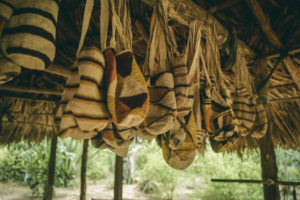
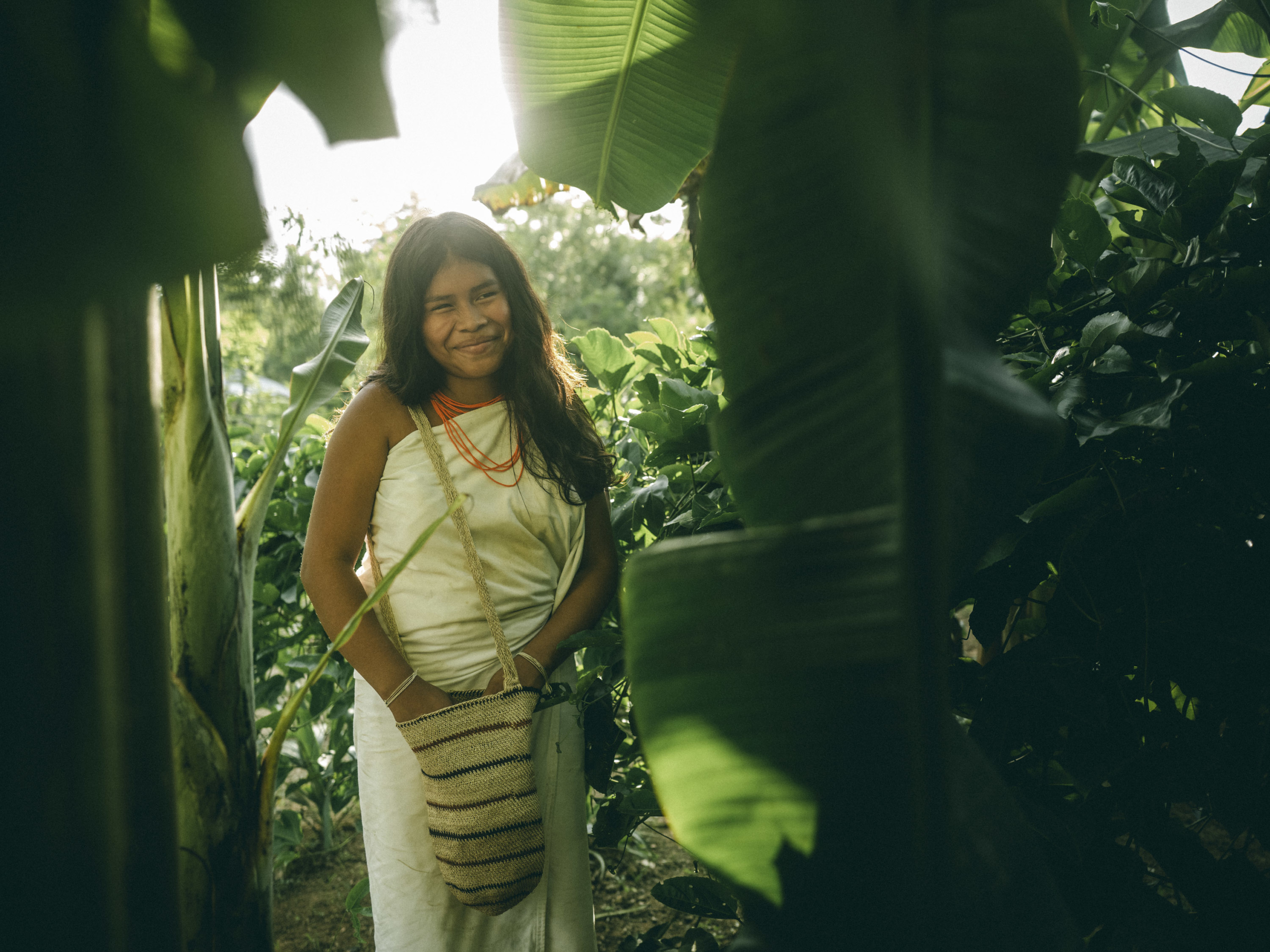
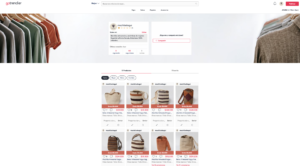
Thanks to help from the Peace Dividend Initiative, a leading Spanish-language online sales platform, is retailing craft bags made high in the mountains of northern Colombia.
The arrival of the mochilas on the GoTrendier platform has been featured in an article in the leading Colombian daily El Pais viewed online more than 2.3 million times. It is the first time that Kogui women involved in the project have ever sold their products beyond the boundaries of their village.
GoTrendier is a platform and app for buying and selling sustainable fashion. Started in Mexico in 2016, it opened in Colombia a year later and now has 12 million registered users.
The platform featured more than 20 Kogui bags in a variety of colours and styles produced by 12 families in the Sierra Nevada de Santa Marta mountain range. All are made from fique, a natural fibre that grows in the leaves of plants in the genus Furcraea, and use only natural colorants extracted from regional plants.
Prior to the Peace Dividend Initiative’s involvement with the Kogui, the community only sold approximately 25 bags a month to visitors, creating only minimal profits from a production time of 200 hours per bag.
PDI realised that with small adjustments in their designs and improvements in sewing techniques, their mochilas – which are worn on one shoulder or across the chest – had the potential to sell well in much wider markets.
After PDI’s project began in 2024, the bags were refined through a design workshop conducted by an experienced designer, making them more appealing for the
modern market while keeping their cultural essence intact.
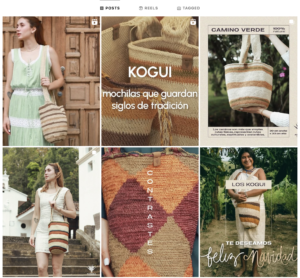
A direct online sales channel was developed through social media platforms, such as Instagram (@mochilaskoguila), and WhatsApp, enabling the community to
connect with customers directly and more efficiently. Investment was put in branding, Meta ads and digital marketing, which helped growing the bags’ online presence. The connection to GoTrendier came through this activity.
A major growing region of the coca plant, the Sierra Nevada de Santa Marta saw years of conflict between the military and armed groups linked to the illegal drugs trade. The armed groups maintain some presence though conditions are generally much more stable now and tourism is constantly growing.
The Kogui and the area’s other indigenous groups, who have lived in the mountains for thousands of years, need support to raise their income, protect their communities and environment, and show rest of the world that their traditions and culture should be respected and can be preserved.
As Ana Jiménez, country manager of GoTrendier, told El Pais: “Purchasing a Kogui bag is an act of direct support for the preservation of an ancestral culture and the protection of ecosystems vital to the planet.”