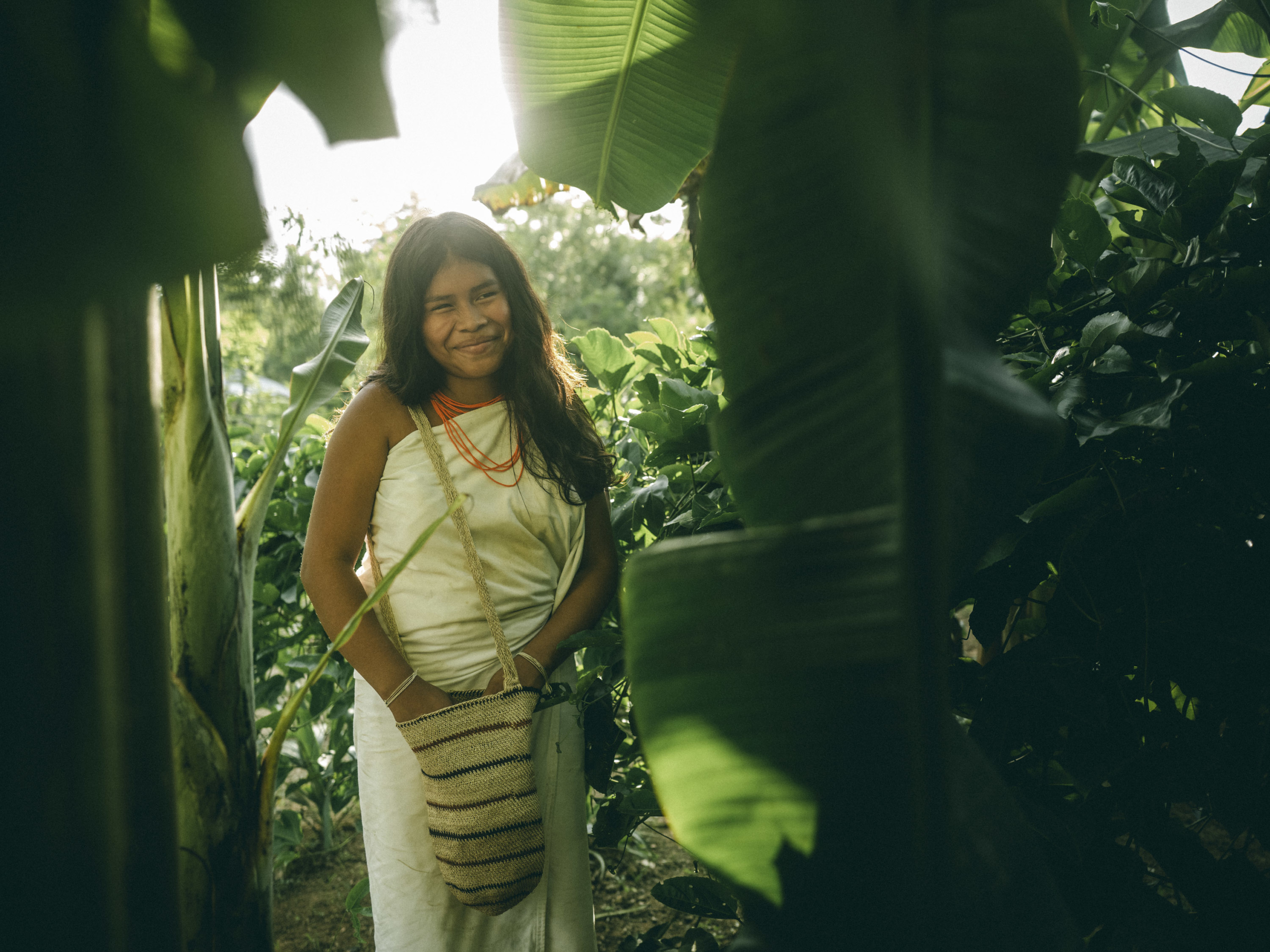
Bags of potential: An indigenous community in Colombia is transforming their traditional bags into high-value, marketable products.

Thanks to help from the Peace Dividend Initiative, a leading Spanish-language online sales platform, is retailing craft bags made high in the mountains of northern Colombia.

The arrival of the mochilas on the GoTrendier platform has been featured in an article in the leading Colombian daily El Pais viewed online more than 2.3 million times. It is the first time that Kogui women involved in the project have ever sold their products beyond the boundaries of their village.

GoTrendier is a platform and app for buying and selling sustainable fashion. Started in Mexico in 2016, it opened in Colombia a year later and now has 12 million registered users.

The platform featured more than 20 Kogui bags in a variety of colours and styles produced by 12 families in the Sierra Nevada de Santa Marta mountain range. All are made from fique, a natural fibre that grows in the leaves of plants in the genus Furcraea, and use only natural colorants extracted from regional plants.
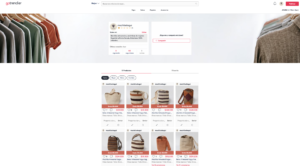
Gotrendier closet

Prior to the Peace Dividend Initiative’s involvement with the Kogui, the community only sold approximately 25 bags a month to visitors, creating only minimal profits from a production time of 200 hours per bag.

PDI realised that with small adjustments in their designs and improvements in sewing techniques, their mochilas – which are worn on one shoulder or across the chest – had the potential to sell well in much wider markets.

After PDI’s project began in 2024, the bags were refined through a design workshop conducted by an experienced designer, making them more appealing for the
modern market while keeping their cultural essence intact.

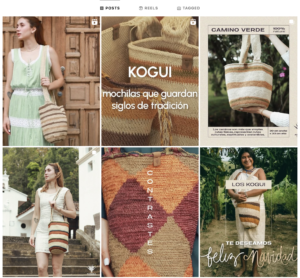
A direct online sales channel was developed through social media platforms, such as Instagram (@mochilaskoguila), and WhatsApp, enabling the community to
connect with customers directly and more efficiently. Investment was put in branding, Meta ads and digital marketing, which helped growing the bags’ online presence. The connection to GoTrendier came through this activity.
A major growing region of the coca plant, the Sierra Nevada de Santa Marta saw years of conflict between the military and armed groups linked to the illegal drugs trade. The armed groups maintain some presence though conditions are generally much more stable now and tourism is constantly growing.

The Kogui and the area’s other indigenous groups, who have lived in the mountains for thousands of years, need support to raise their income, protect their communities and environment, and show rest of the world that their traditions and culture should be respected and can be preserved.

As Ana Jiménez, country manager of GoTrendier, told El Pais: “Purchasing a Kogui bag is an act of direct support for the preservation of an ancestral culture and the protection of ecosystems vital to the planet.”
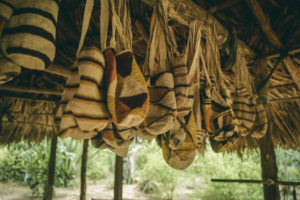
 

Kogui mochilas


Hives of hope: how beekeepers displaced by Ukraine’s conflict are rebuilding their livelihoods

Peace Dividend Initiative is supporting internally displaced beekeepers from Ukraine’s Luhansk region to revitalise and expand their business in the safety of the country’s western mountains.

The Carpathian Mountains are famed for their exquisite honey, with its special flavours drawn from a diverse flora and a beekeeping tradition that goes back through the centuries.

Now a Ukrainian region of the mountains is becoming known for something very different: as a source of resilience and collaboration during conflict.

When war broke out in 2022, a group of beekeepers in Luhansk in the country’s east found themselves near the frontlines. With their lives in danger, and their hives lost or damaged, their only option was to flee.

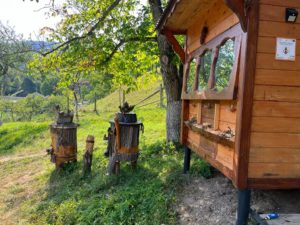
Igor Kovtunenko, who had produced organic honey in Luhansk for 15 years, was offered a lifeline by a beekeeping friend from Velikiy Rozhen village on the other side of the country in the Ivano-Frankivsk region of the Carpathians, who invited him and his family to move there.

“It was and still is a safer place to live, so I hit the road leaving my hives and home behind and hoping to restart my business,” says Igor, who is the third generation of beekeepers in his family.

Several fellow displaced beekeepers from Luhansk made the same journey and were helped by their contemporaries in the west with equipment, bees for breeding and land for their apiaries. Within months they had registered as a new cooperative.

Their story is captured in a video which tells how with support from the Peace Dividend Initiative (PDI) in late 2022 launched a project to increase honey production levels from the current annual one ton (about 2,000 jars) and support their efforts to export the ‘Hike Hive’ product to Europe.


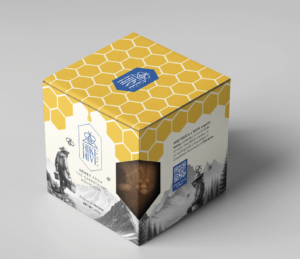
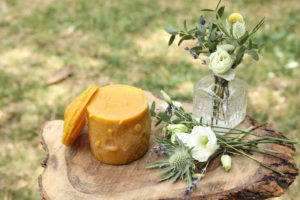
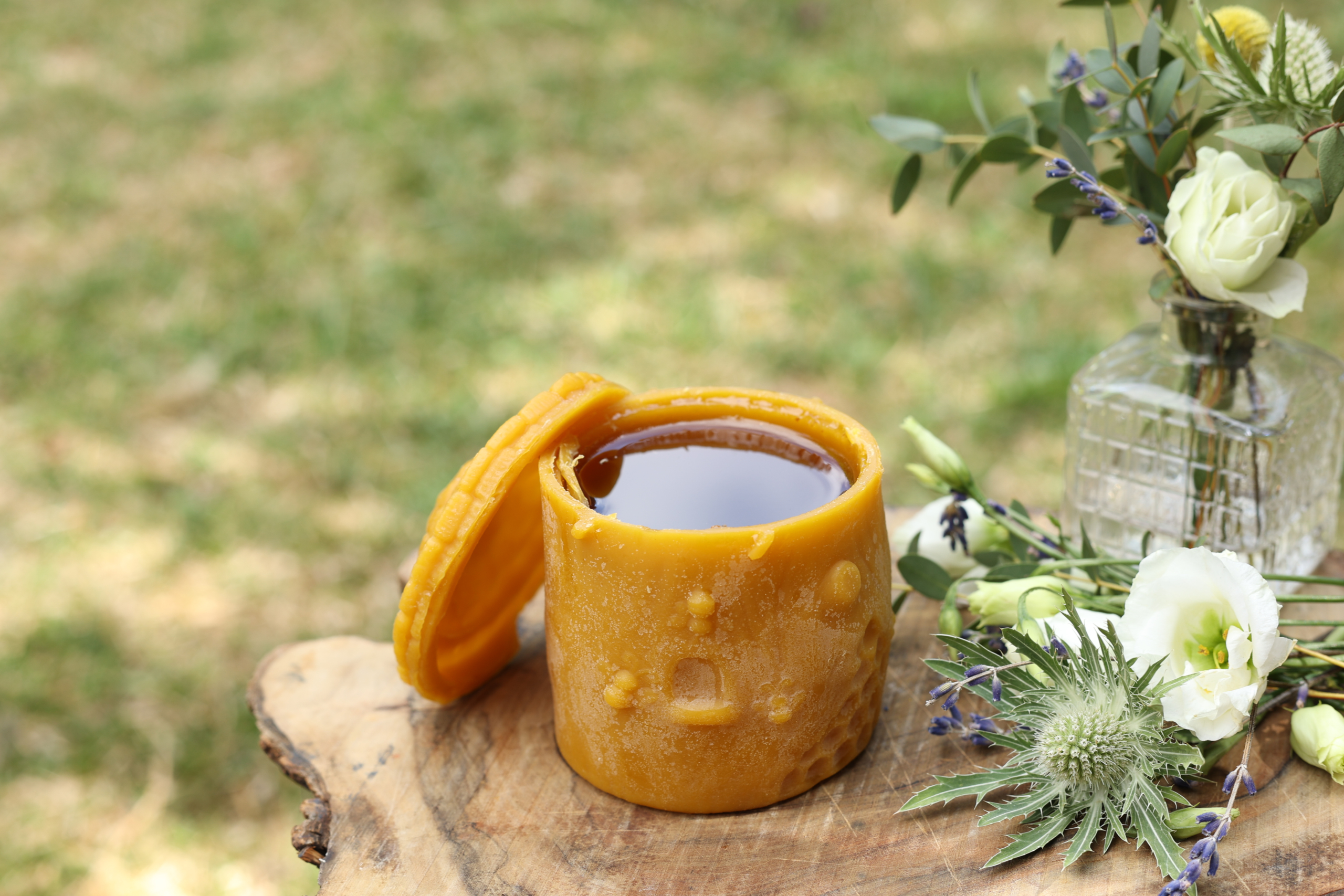
The project will aim first at high-end retailers in EU and Switzerland, who it is hoped will be attracted by the honey’s unusual packaging in beeswax jars.

It is also laying the groundwork for long-term social cohesion in the post-war Ukraine.

Ivan Saschuk, one of the Carpathian beekeepers at the heart of the cooperative, says: “We share our knowledge with beekeepers from the east, and they teach us ‘the Luhansk way’. We all cooperate together. For all of us, beekeeping isn’t just a profession, it’s a way of life.”


Liberia’s peace chocolate means business

How a rural women’s cooperative in a former conflict zone formed the heart of a new business partnership.

During Liberia’s long civil war Lofa County was synonymous with inter-ethnic rivalry and violence. As thousands of people fled across the border to Guinea or Sierra Leone, or were displaced internally, farms were abandoned or taken over by warlords.

Women entrepreneurs at the Komassa Vornambeh (KV) cooperative now want those same farms to become known for something previously unthinkable: high quality organic chocolate.

A nationwide peace may have been established more than 20 years ago, but in the northern Lofa County – and elsewhere – it remains fragile, with tensions not far beneath the surface. Economic advances have been limited, and women and youth in particular feel excluded from any sense of national progress.

Peace Dividend Initiative (PDI) therefore sought to create a project that would both sustain Liberia’s peace and promote local economic empowerment.

Using a traditional crop – cocoa beans – combined with sustainable farming methods and the marketing of a new product, the Peace Chocolate Project was designed to add value to Liberia’s economic activity, which is weak across the board.

“If projects such as this are successful, then they could have a knock-on effect and be emulated in other parts of the country. It’s a small initial contribution, but the logic is strong for Liberia,” explained Paul Dziatkowiec, senior advisor, peace operations at PDI.

The pilot project, also named the Wologizi Chocolate project, was a partnership between KV, which grew the cocoa beans, the Liberia Cocoa Corporation (LCC), which provided technical assistance and produced the chocolate in Monrovia, PDI, and the UN Development Programme and Food and Agriculture Organisation.

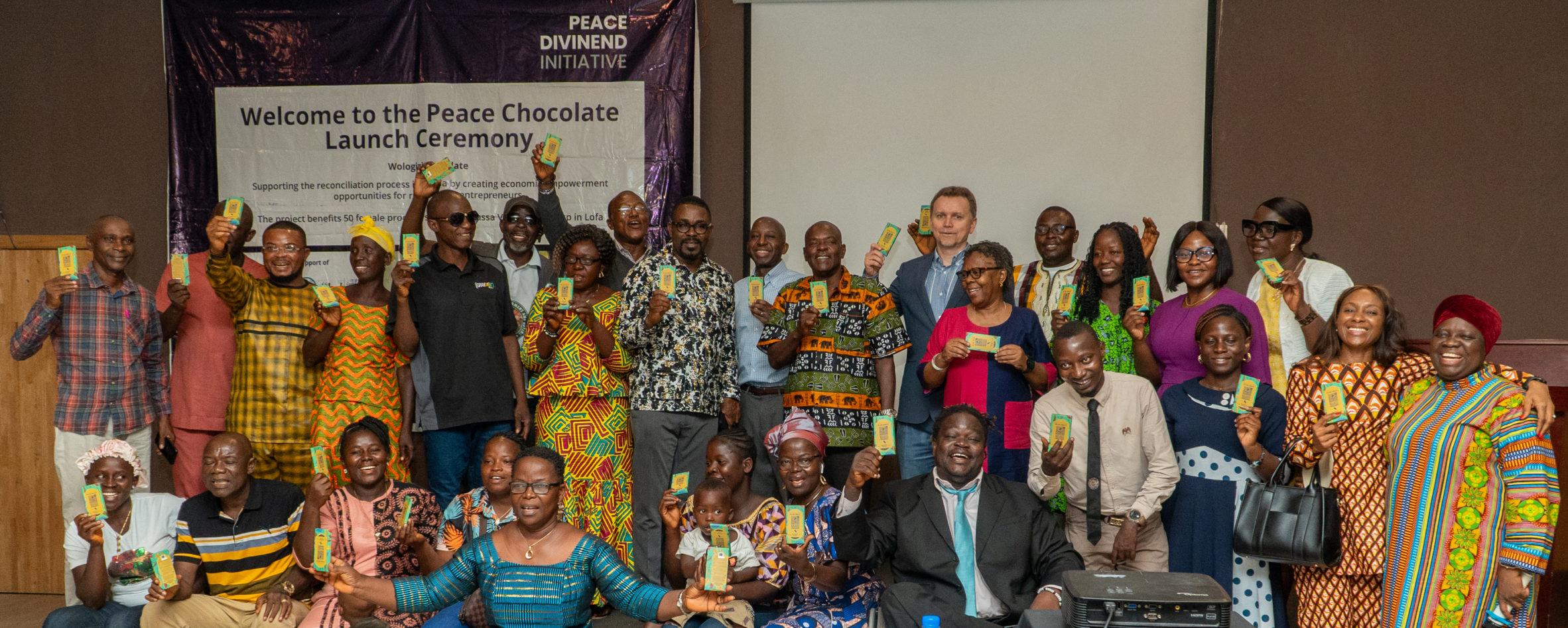
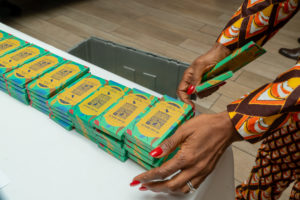
It produced bars of 70% high grade organic chocolate, presented in custom-made packaging. Launched at events in Lofa and Monrovia, the 45g bars were put on sale at the Flower Pot store and soon sold out.

It was a remarkable achievement considering that previously the KV cocoa growers hadn’t even been aware that their crop could be transformed into chocolate.

“This was a big change for them, because before they just picked the beans, dried them on the ground, bagged them and sold them to a buyer,” said Dorothy Toomann, PDI’s country project officer.

All 58 people who took part in the project – 37 women from KV and 20 next generation cocoa farmers from nearby districts – had been involved with growing cocoa beans most of their lives. But their roles had primarily been supportive – to their parents, or their husbands.

The women were very receptive to organic farming, quickly understanding that it would generate more income and that not using chemicals was beneficial to them and their communities.

LCC, which specializes in organic production, trained the women in various elements of organic cocoa farming, including pruning and shade management, disease and pest control, drying and storage. It arranged the certifying of their crops as organic by Kiwa, one of the leading global certification bodies.

KV was closely involved in discussions with LCC and PDI and different designers on branding. There was a clear favourite for the name: Wologizi, named after the mountain range and peak in Lofa County which is also Liberia’s highest.

“The women said the peak captured the past, present and future of the county. They wanted a name that would resonate with people,” explained Dorothy.

The cocoa beans were transported to Monrovia where the bars were produced by LCC. The long-term hope is to produce the chocolate in the community and to sell in other parts of Liberia and perhaps one day abroad. But first, more investment is needed to support continued organic farming and to find a regular buyer for their beans.

As Komassa Kennah, group leader of KV, told Liberian government officials, UN agency officials and senior representatives from civil society at the Monrovia launch:

“We would like to say to the government that this initiative is something that needs to be commended. We need you all to work alongside us to make this a success.

“This is not only about Lofa County. Every part of Liberia needs to embrace this idea. It is good to have this economic empowerment opportunity for women.”

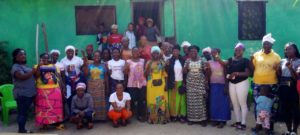
Komassa Vornambeh Group in Lofa, Liberia, December 2022, Dorothy Toomann.


Launch ceremony in Monrovia Liberia Chocolate bars
Wologizi chocolates at the Peace Chocolate launch ceremony in Monrovia, Liberia, April 2024, Joma Visuals.


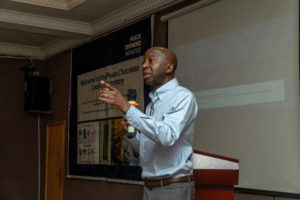
Lu Tolbert, CEO of Liberia Cocoa Corporation, speaking at the Peace Chocolate launch ceremony in Monrovia, Liberia, April 2024, Joma Visuals.